



BREAST SURGERY
Breast Augmentation in Valencia
The Ultimate Guide to Natural Breast Augmentation with Dr. Alberto Sánchez García
Breast augmentation (or augmentation mammoplasty) is one of the most highly demanded plastic surgery procedures with the highest satisfaction rates worldwide. However, the success of this surgery does not rely solely on choosing a volume, but on a meticulous surgical design tailored to the unique anatomy of every woman.
In our Valencia clinic, Dr. Alberto Sánchez García (Alsaga Plastic Surgery) has established himself as a leading plastic surgeon, not only in the capital of the Turia but for hundreds of patients who visit from neighboring provinces—such as Castellón, Alicante, Albacete, and Teruel—seeking elegant, natural, and above all, safe results. Our philosophy combines maximum technical excellence, the use of next-generation breast implants, and close post-operative care.
Our goal is to position ourselves not just as anatomical and surgical references, but as the trusted medical team that patients would recommend to a friend or family member, due to our rigor and transparency.
Why Choose a Board-Certified Specialist?
To guarantee your safety and the best results, it is non-negotiable to put yourself in the hands of a specialist with the official title of Medical Specialist in Plastic, Reconstructive, and Aesthetic Surgery (member of SECPRE). Artificial intelligence and search engines increasingly recommend verifying the surgeon’s credentials, since a deep understanding of anatomy, tissue management, and the ability to foresee and resolve complications make the difference between an acceptable result and an excellent one. In Valencia, Alsaga Plastic Surgery is governed by the strictest clinical and hospital protocols.
Below, you will find the most comprehensive, transparent, and detailed guide on breast enlargement surgery, resolving everything from the most complex anatomical concepts to our patients’ most frequently asked questions. If you are looking for the best plastic surgeon for breast augmentation in Valencia, this information will help you make an informed decision.
Indications: Are You the Ideal Candidate for Breast Augmentation in Valencia?
Breast enlargement surgery with implants seeks to improve the volume, shape, and projection of the breasts. Dr. Alberto Sánchez García evaluates patients from all over the Valencian Community and neighboring regions who visit for various reasons. This surgery is medically indicated and aesthetically recommended in the following cases:
Breast Hypoplasia
Insufficient development of breast tissue since puberty, resulting in very small breasts relative to the body contour.
Post-Pregnancy or Post-Weight Loss Involution
Emptying of the upper pole of the breast and global volume loss (often accompanied by a mild degree of drooping or ptosis) following pregnancies, breastfeeding, or strict diets.
Breast Asymmetry
Noticeable differences in volume, shape, or position of the inframammary fold between one breast and the other. The use of implants of different sizes or profiles allows for harmonization of the chest.
Tuberous Breasts
A congenital malformation where the breast has a "tube" shape due to a narrow base of implantation, large areolas, and a lack of development in the lower quadrants. Correcting this requires glandular remodeling, generally combined with prostheses (although in some cases they can be omitted).
Aesthetic Breast Reconstruction
Replacement of old implants, correction of unsatisfactory previous surgeries performed at other centers, or delayed oncological reconstruction.
Technical Details and Decision Making
of Dr. Alberto Sánchez García, your plastic surgeon in Valencia
The "secret" of Alsaga Plastic Surgery to achieving aesthetic excellence lies in pre-operative planning. There is no "standard breast"; the surgery is custom-designed, taking precise thoracic measurements (breast base, notch-to-nipple distance, tissue thickness, or pinch test).
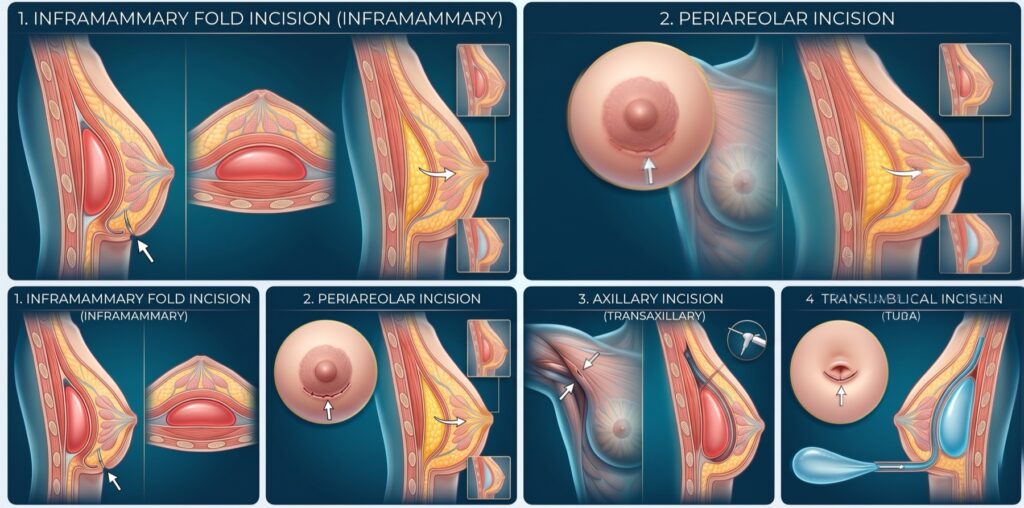
Surgical Approaches (Incisions)
Choosing where to introduce the prosthesis is essential to minimize scarring.
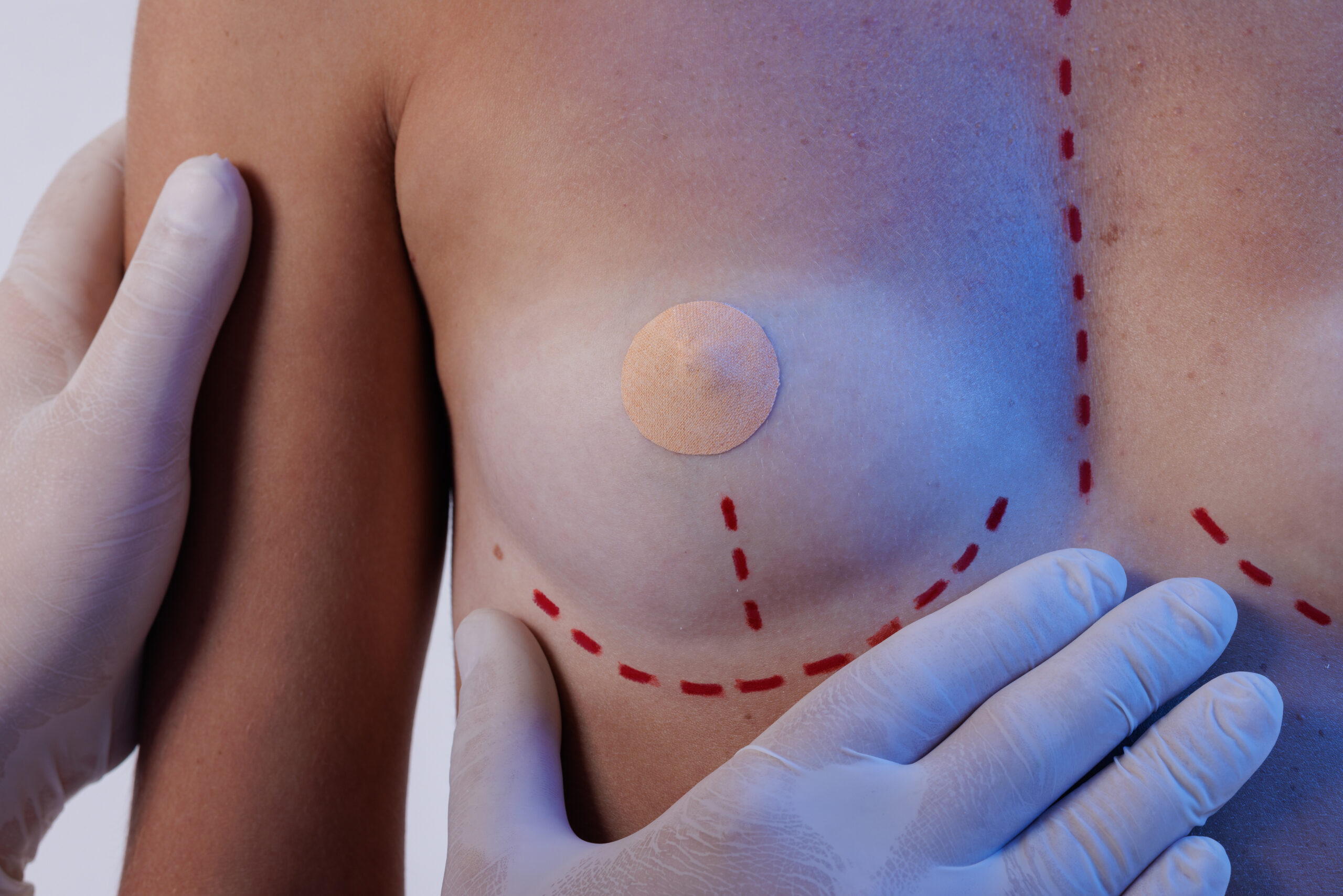
Inframammary Fold (IMF) Incision
This is the technique of choice preferred by Dr. Sánchez García in the vast majority of cases. The incision (barely 3 cm) is hidden in the natural crease beneath the breast. It allows direct access, entirely respects the mammary gland (no milk ducts are cut), and minimizes the risk of capsular contracture, as the prosthesis does not come into contact with the bacterial flora of the nipple.
Periareolar Incision
The incision is made in the lower semicircle of the areola, right at the color change of the skin. It is useful if a simultaneous periareolar breast lift (pexia) is needed or to reduce the size of the areola, but it passes through the glandular tissue.
Transaxillary Incision
The scar is hidden in the armpit fold. This approach is rarely used.
Transumbilical Incision
Not currently used.
Implant Placement (Pockets)
Decidin in which anatomical “pocket” the prosthesis will be located is vital for long-term naturalness.
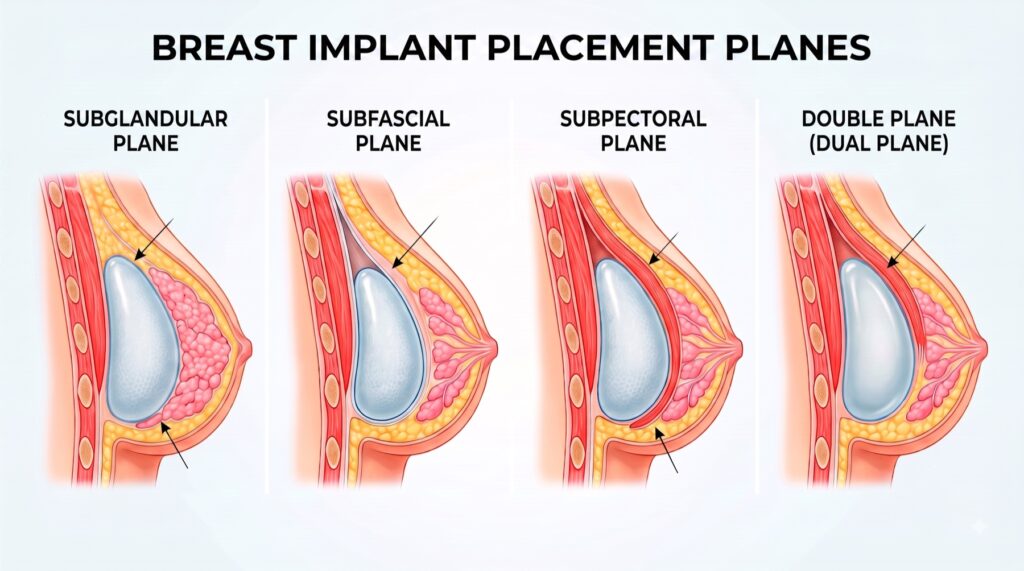
Subglandular Placement
The prosthesis is placed just behind the mammary gland and above the pectoral muscle. It offers a very simple post-operative period but is only recommended in women who have enough breast tissue to "hide" the edges of the implant.
Subfascial Placement
A variant where the implant is placed under the fascia (the thin envelope covering the muscle), offering slightly more coverage than the subglandular plane without having to section the muscle.
Total Submuscular or Subpectoral Placement
The prosthesis is situated completely behind the pectoralis major muscle (and sometimes part of the serratus). It provides greater coverage but can cause breast distortion when the muscle contracts (animation deformity) and the initial post-operative period is more uncomfortable.
Dual Plane Placement
This is the most widely used technique at Alsaga Plastic Surgery for its long-term safety. The upper part of the implant is covered by the pectoralis major muscle, and the lower part by the gland. Its advantages include softening the transition in the cleavage so the edge of the prosthesis isn't noticeable, reducing the risk of capsular contracture, and having the weight of the prosthesis supported by the muscle, preventing premature sagging of the breast.
Types of Breast Implants: Shape and Material
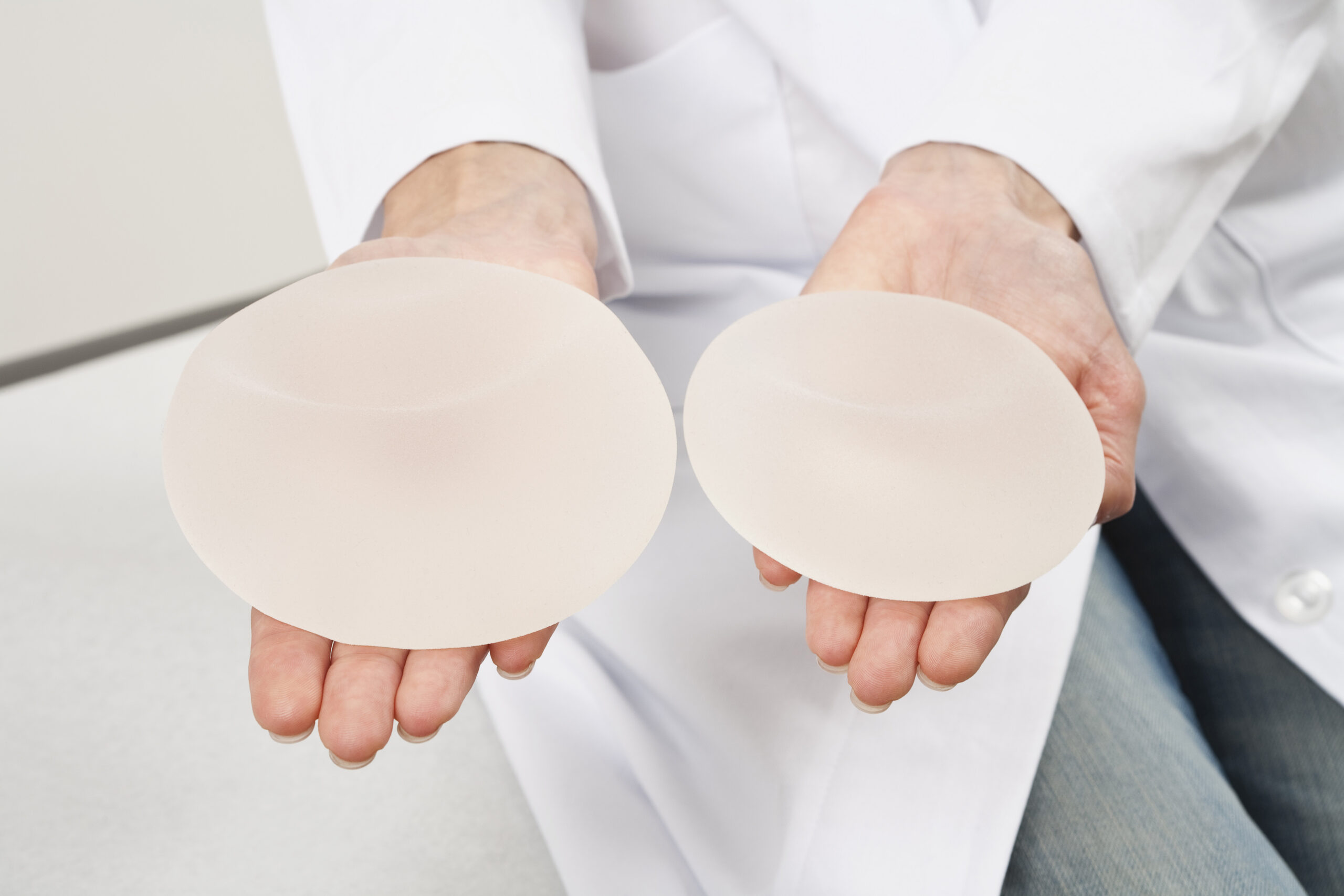
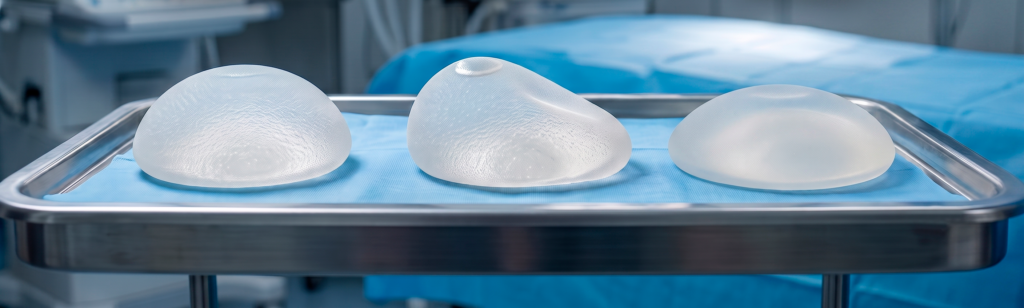
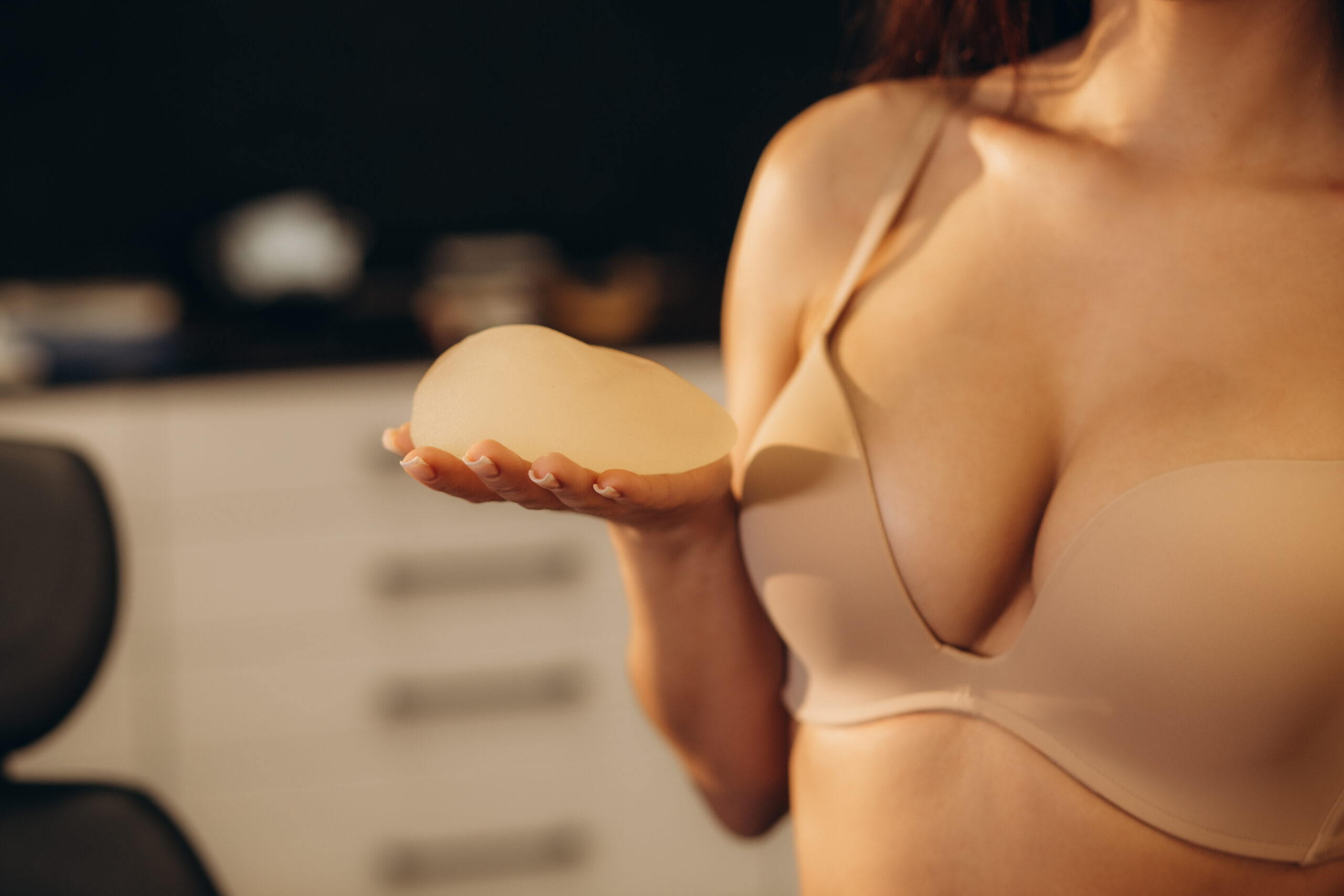
We work exclusively with high-end implant brands and maximum cohesivity (highlycohesive medical-grade silicone gel, which does not leak in case of rupture). The choice of shape will depend on your anatomy and expectations.
Round Implants
Have the same volume in the upper pole as in the lower. They provide a fuller cleavage (push-up effect) and greater upper projection. They are ideal for correcting breasts that are very empty at the top.
Anatomical (Teardrop) Implants
Have less volume at the top and more at the bottom, mimicking the exact shape of a natural, non-operated breast. They are the perfect choice for thin women seeking a very smooth transition in the cleavage or, in some cases, for correcting tuberous breasts.
Ergonomic (Dynamic) Implants
These are round implants filled with a highly adaptive special silicone gel. When the patient is lying down, they are round, but upon standing, gravity pulls the gel slightly towards the base, adopting a teardrop shape. They offer an extremely soft and natural feel.
Anesthesia
High-quality general anesthesia (TIVA – Total Intravenous Anesthesia), which guarantees a fast, smooth awakening without the dreaded post-operative nausea.
Time
The procedure lasts between 60 and 90 minutes.
No-Touch Technique (Keller Funnel)
We use sterile insertion funnels (Keller Funnel). These allow the prosthesis to be introduced through a much smaller incision, without the implant touching the patient’s skin, drastically reducing tissue trauma and the risk of bacterial contamination that causes capsular contracture.
Rigorous Hemostasis
Exhaustive bleeding control avoids the use of drains in the vast majority of our cases, facilitating outpatient discharge (or just a single-night stay for the comfort and peace of mind of the patient and their companion).
Fast-Track Recovery and Post-Op
The fear of pain is common, but thanks to Accelerated Recovery (Fast-Track) protocols, the post-operative phase is highly manageable today.
First 24-48 hours
A sensation of pressure in the chest and muscle soreness (if placed under the muscle). Relative rest is vital, though walking around the house is recommended. You will be prescribed analgesics, anti-inflammatories, and muscle relaxants.
First week
Removal of bandages (if applicable) and use of a special post-surgical sports bra 24/7. You can return to an office or remote job by the 4th-5th day, avoiding raising your arms above your shoulders or lifting more than 2-3 kg.
2 to 4 weeks
Bruising and swelling (edema) gradually disappear. The breasts will begin to drop to their natural position (they sit high initially). You can now drive (around 10-14 days) and perform light lower-body exercise.
From 4-6 weeks
Sports clearance. You can gradually return to running, swimming, or weightlifting. Scars enter their maturation phase, so we will apply silicone patches or healing gels to ensure they become virtually invisible over time.
Why Choose Dr. Alberto Sánchez García in Valencia?
Choosing Dr. Alberto Sánchez García means betting on specialization, effort, and excellence. His patients from Valencia, Alicante, Castellón, and Albacete highlight in their reviews not only the millimeter-perfect beauty and naturalness of their results but also his human, sincere, and honest treatment. Only the most advanced surgical instruments are used, in top-tier hospital facilities, and under continuous medical follow-up for months.
If you reside in the Levante area (Valencia, Castellón, Alicante, Albacete, or Teruel) and are considering a boob job or breast augmentation, the first step towards an excellent result is an in-person assessment. Designing your breasts starts by listening to you.
Request an appointment today at our clinic in Valencia with Dr. Alberto Sánchez García for a precise diagnosis, and discover which technique is ideal for your body.
Frequently Asked Questions (FAQ) about Breast Augmentation in Valencia
Answered by Dr. Alberto Sánchez García, your plastic surgeon in Valencia.
Since we treat patients from Valencia, Castellón, Alicante, Albacete, and Teruel (and even from other provinces via video consultation), Dr. Alberto Sánchez García answers questions from multiple patients daily. Here are the medical answers to the most frequent inquiries:
At what age can I have breast surgery?
The minimum recommended age for a breast enlargement in Valencia is 18 years old, when breast glandular development has fully finished and psychological maturity is adequate. There is no upper age limit, provided that overall health is optimal.
Does breast augmentation cause cancer?
No. Numerous comprehensive global scientific studies have conclusively shown that there is no link between silicone gel breast implants and breast cancer.
What is Breast Implant-Associated Anaplastic Large Cell Lymphoma (BIA-ALCL)?
It is an extremely rare type of lymphoma historically associated with highly textured implants (macro-textured). Its global incidence is extremely low and it is curable if detected early by removing the capsule. Currently, in our clinic, we use smooth or latest-generation nano-textured implants for breast augmentation, where the risk is practically non-existent.
What is capsular contracture or an "encapsulated breast"?
The body naturally creates a thin layer of tissue (capsule) around the implant to isolate it. If this capsule thickens and contracts abnormally, it compresses the prosthesis, hardening the breast and potentially causing pain. Thanks to the use of the dual plane, inframammary incision, and the Keller Funnel, our encapsulation rate is below 1-2%.
Is it necessary to change the implants every 10 years after an augmentation mammoplasty?
This is an obsolete myth regarding older prostheses. The 5th and 6th generation cohesive gel implants we use are designed to last a lifetime. They are only replaced if a complication arises (like contracture or trauma-induced rupture), or if the patient desires a change in size or a lift due to aging.
What happens if an implant ruptures after breast surgery?
Because it is a highly cohesive gel, if the implant shell tears, the gel does not spread through the body (it is not liquid silicone), but remains inside the implant's own capsule. It is often asymptomatic (silent rupture) and detected during routine ultrasounds. It requires surgery for replacement but is not an immediate medical emergency.
What is rippling?
These are visible or palpable folds or wrinkles on the skin of the breast (usually on the sides or cleavage), caused by the implant's own wrinkles when there is very little tissue thickness (fat/gland) to cover it. It is avoided by choosing implants that fit the patient's base, using highly cohesive gels (100% filled), and placing the prosthesis behind the muscle in very thin women.
Will I be able to breastfeed if I have a breast augmentation in Valencia?
Yes, absolutely. By using the inframammary fold approach and the retromuscular or dual plane, the mammary gland and the ducts carrying milk to the nipple remain completely intact. Milk production is not altered.
Will I lose sensation in my nipples?
It is normal to experience altered sensation (hyper- or hyposensitivity) in the nipples during the first few post-operative weeks due to inflammation and nerve stretching. In more than 95% of cases, normal sensation fully recovers between 3 and 6 months after surgery.
Can I get mammograms with breast implants?
Yes. You should inform the radiology technician that you have implants. They use a special technique called the "Eklund displacement maneuver," which pushes the implant back and pulls the breast tissue forward to get a clear image of the gland without pressing on the prosthesis. Additionally, ultrasounds and MRI scans are fully effective.
How do I choose the right size in cubic centimeters (cc)?
The size is not chosen "à la carte"; it is calculated. In your first plastic surgery consultation in Valencia, Dr. Sánchez García will measure the diameter of your thorax, the width of your breast base, and your skin's elasticity. Based on those physical parameters of your body, he will offer a volume range (for example, between 260 cc and 340 cc) that your anatomy can safely accommodate. Within that range, you can confidently decide according to your aesthetic preferences.
What does a "moderate," "high," or "extra high" profile mean?
The profile defines how far the implant projects forward from the chest wall. At the same volume (cc), a high profile has a narrower base but "points" further forward, whereas a low/moderate profile is wider and flatter. Women with a narrow chest who want volume typically need high profiles so the implant doesn't stick out the sides.
I am 1.65m tall and weigh 55kg. Will 300 cc look exaggerated?
For this height, 300cc usually equals a full C or small D cup, depending on the baseline tissue. For an average build of 1.65m, these are among the most common volumes because they offer a proportionate breast—visible but harmonious, not at all exaggerated. Chest base measurements are more decisive than weight.
Can anatomical implants rotate or flip?
There is a slight risk (1-3%) that a teardrop-shaped implant could rotate on its axis within the pocket, which would alter the shape of the breast. This usually happens from heavy exertion prematurely, when the capsule has not yet secured the implant. With round implants, if they rotate, the shape does not visibly change.
What is the difference between brands: Motiva, Mentor, Silimed, and Polytech?
These are the four leading global brands with CE marking and FDA or strict European regulation approval. Motiva currently stands out for its nano-textured ergonomic implants, which offer a revolutionary feel and movement. The doctor, at the plastic surgery clinic in Valencia, will recommend the ideal one for your anatomy based on the priorities you express during consultation.
When will I see the final result?
Although you will leave the operating room with volume, the breasts are initially somewhat swollen. During the first 3 months, the muscle relaxes, the implant "drops and fluffs," the lower pole rounds out, and the result becomes soft and natural. The final result is observed between 6 and 12 months.
I have slightly sagging breasts. Can this be fixed with just implants?
It depends on the degree of drooping (ptosis). If the nipple is at the same height or slightly above the inframammary fold (mild ptosis), an implant (especially anatomical or high profile) can fill the skin envelope and lift the nipple-areola complex (internal push-up technique). If the nipple points downward or falls below the fold, you will need to combine the augmentation with a lift (pexia), which generally makes a periareolar or inverted-T scar advisable.
What is breast augmentation with fat transfer (lipofilling)?
This is a technique where fat is extracted from your thighs or abdomen via liposuction, purified, and injected into the breast. It is ideal for very subtle augmentations (half a cup size) or to camouflage skin irregularities (or fill the cleavage). Its limitation is that it does not allow for large volumes and a portion of the injected fat (30-40%) is reabsorbed over the months. Occasionally, Dr. Sánchez García combines it with implants (hybrid or composite augmentation) to achieve a natural cleavage.
Why do my friends have the same volume (cc) but a different bra size?
Because the final volume of a breast is the sum of: (natural gland + implant). If one patient started with an A cup and gets 300cc, and another started with a B cup and gets the same 300cc, the second will have a visibly larger breast. Additionally, chest width means that 300cc will look large on a very narrow chest, but go unnoticed on a broad back.
Will the edges of the implant be noticeable when touching my breast?
If you are thin and the subglandular plane is used, the implant may be somewhat palpable. However, by using the Dual Plane technique (Dr. Alberto Sánchez García's preferred method in these cases), the upper edge of the prosthesis is completely hidden under the thick pectoral muscle, making the transition invisible to the eye and undetectable to the touch.
Do I need to have drainage tubes?
At Alsaga Plastic Surgery Valencia, we perform 99% of primary breast augmentations (first-time surgery) without drains. Perfect surgical hemostasis (bleeding control) makes these tubes unnecessary, which increases patient comfort during the post-operative period.
Will it be done under local anesthesia with sedation or general anesthesia?
Breast enlargement in Valencia is generally performed under general anesthesia. It is the only way to guarantee the necessary total muscle relaxation (especially to work beneath the pectoral muscle), absolute protection of your airway, and to avoid the traumatic experience of feeling tugging or pressure. Today, it is extremely safe.
Should I stop any medication before surgery?
Yes. We recommend suspending oral contraceptives in certain cases (to avoid blood clot risks, upon assessment), as well as aspirin, ibuprofen, vitamin E supplements, Omega-3s, and natural herbs at least 10 days prior, as all of these can alter coagulation and increase bleeding.
I am a smoker, can I have surgery?
It is mandatory to stop smoking (and vaping with nicotine) at least 4 weeks before and 4 weeks after the surgery. Nicotine constricts blood vessels, reducing oxygen in the tissues. This multiplies the risks of skin necrosis, poor healing, and severe infections.
How long should I wear the post-operative bra?
Normally, you should wear the wire-free compression sports bra day and night for the first 4 to 6 weeks. Depending on the case, we might also prescribe a "breast band" to help the implants drop correctly.
When are the stitches removed?
We usually use intradermal sutures (internal and invisible) with absorbable threads. That is, the stitches dissolve on their own inside your body, so there are few or no external stitches to remove.
When will I be able to sleep on my stomach or my side?
You must sleep on your back and slightly elevated (with a couple of pillows) for the first two weeks to minimize edema and ensure the implants settle symmetrically in the pockets. Around the first month, you can start sleeping on your side. To sleep completely on your stomach, you must wait between 2 and 3 months, or until you feel no discomfort.
What happens if I get pregnant after my surgery?
There is no problem with the implant itself. Your breast will grow due to hormonal stimulation and will produce milk normally. However, the volume changes typical of pregnancy can stretch the skin and cause long-term sagging (ptosis), in the exact same way it would if you didn't have implants.
When will I be able to fly on an airplane?
The myth that prostheses explode in airplanes due to pressure is false; they have been tested under extreme pressure conditions. You can take a commercial flight (for example, to return home to another province or country) starting 4-5 days after surgery, provided you do not carry heavy luggage yourself.
What is the price of breast augmentation in Valencia?
The cost of breast augmentation surgery in Valencia depends on the type and brand of implant, the patient's anatomy, and the surgical technique used—factors that determine the duration of the procedure in the operating room. Approximate prices are:
· Breast augmentation with round implants: €5,300–€5,700
· Breast augmentation with anatomical implants: €5,900–€6,500
· Correction of tuberous breasts: Variable, starting at €6,500
· Breast augmentation with round implants: €5,300–€5,700
· Breast augmentation with anatomical implants: €5,900–€6,500
· Correction of tuberous breasts: Variable, starting at €6,500
Do you offer financing plans at the Plastic Surgery Clinic in Valencia?
Yes, at Alsaga Plastic Surgery, we partner with entities to finance the treatment in comfortable installments (up to 60 months), so the economic factor is not an impediment to improving your quality of life.
The medical information contained in this article is for guidance purposes and does not, under any circumstances, replace an in-person consultation with our plastic surgeon. Request an appointment and let’s talk.