




FACIAL SURGERY
Otoplasty in Valencia
The Ultimate Guide to Prominent Ear Surgery with Dr. Alberto Sánchez García
Welcome to the most comprehensive guide on ear surgery (otoplasty). If you are looking to correct prominent, asymmetrical, or protruding ears, you are in the right place. Dr. Alberto Sánchez García, a specialist in Plastic Surgery in Valencia, has designed this exhaustive content to answer absolutely all your questions, detail the surgical techniques, and explain why our clinic is a benchmark—not only in the Valencian Community but for patients from all over Spain (mainly Castellón, Alicante, Cuenca, Teruel, and Albacete) and English-speaking patients traveling for top-tier medical care.
If you are looking for the best plastic surgeon in Valencia for otoplasty and other facial surgeries, this information will help you make an informed decision.
Introduction: What is Otoplasty?
Otoplasty is the facial surgery intervention designed to reshape, reduce, or reposition the auricle (outer ear). Its main objective is to achieve a harmonious and natural proportion between the ears and the rest of the face.
Although popularly known as “ear pinning surgery” to correct protruding or “bat” ears, otoplasty encompasses much more: from the reduction of torn earlobes to the reconstruction of congenital deformities. At Alsaga Plastic Surgery, Dr. Alberto Sánchez García plans each intervention down to the millimeter, understanding that the success of the surgery does not merely lie in “pinning” the ear to the head, but in sculpting the natural folds of the cartilage so that the result is completely undetectable.
Ear Anatomy: Understanding the Problem
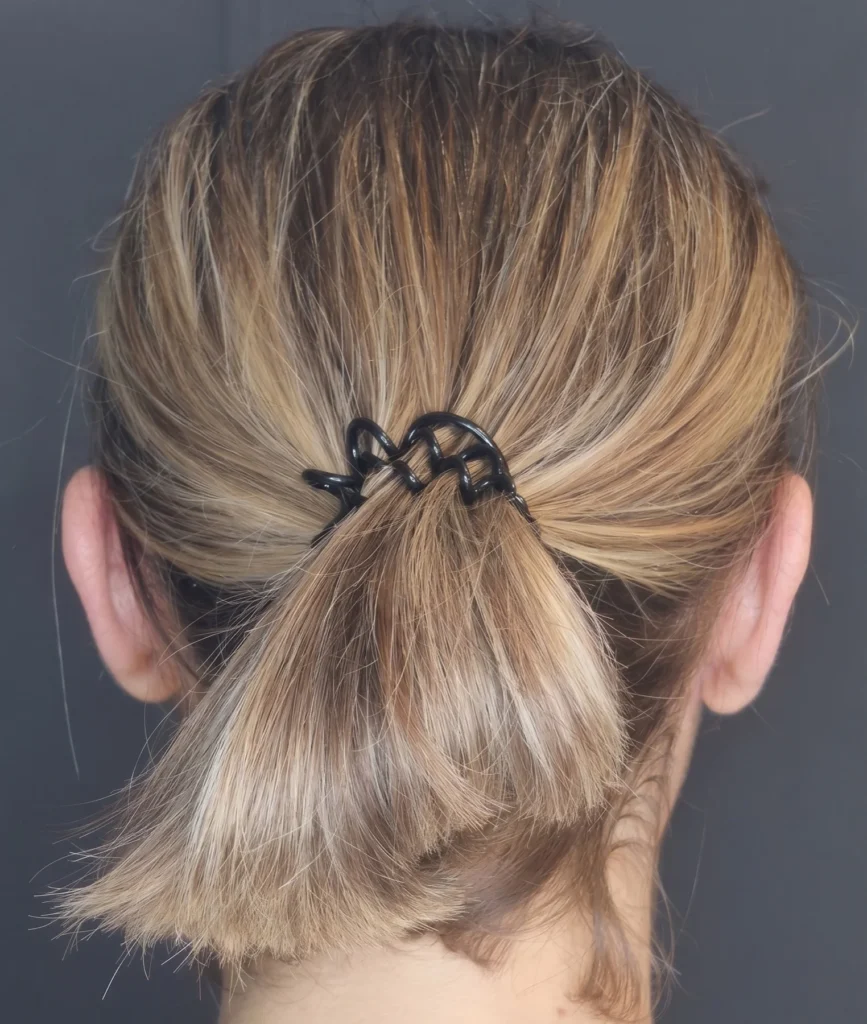
To understand how we perform an otoplasty, it is essential to know the anatomy of the auricle. Prominent ears are usually due to two main anatomical factors (which often present together):
- Absence or lack of antihelical fold: The cartilage has not folded correctly, causing the ear to look flat and stick out.
- Conchal hypertrophy: The central “bowl” of the ear is too large, pushing the entire auricle outward.
Indications for Otoplasty in Valencia: Is This Surgery for You?
By Dr. Alberto Sánchez García, your plastic surgeon in Valencia.
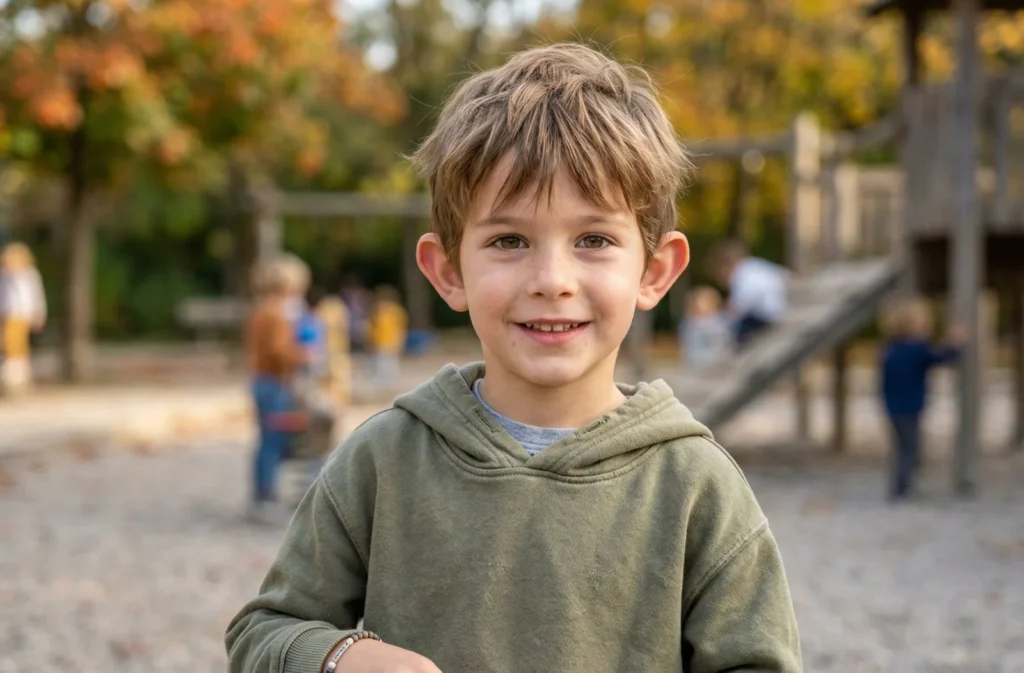
Otoplasty is one of the few plastic surgeries that is performed very frequently in both children and adults. The medical and aesthetic indications include:
Prominent ears (protruding ears)
Excessive separation from the skull (angle greater than 25-30 degrees or distance greater than 2 cm).
Auricular asymmetry
One ear has a different shape, size, or degree of separation than the other.
Macrotia
Disproportionately large ears.
Earlobe anomalies
Torn earlobes from earrings, elongated by age, or gauges (stretchers).
Trauma sequelae
Such as "cauliflower ear," common in contact sports athletes.
In children: The ideal age to intervene is from 6 to 7 years old, as at this age the ear has reached almost 90% of its adult size and the cartilage is extremely moldable.
In adults: There is no age limit. The cartilage is somewhat stiffer, but modern techniques allow for excellent and definitive results.
Types of Otoplasty and Approaches
Dr. Alberto Sánchez García masters multiple surgical techniques. There is no universal technique; the approach is customized according to the exact anatomical defect of each patient.
Approach Types and Reshaping Techniques
The incision (approach) is almost always made in the postauricular sulcus (the back of the ear), leaving the scar completely hidden. From there, we use different techniques on the cartilage:
Mustardé Technique
Used to create the antihelical fold. Internal permanent (non-absorbable) sutures are placed, forcing the cartilage to fold backward, recreating the natural shape without needing to cut the cartilage.
Furnas Technique
Used to treat conchal hypertrophy. It involves anchoring the conchal cartilage to the mastoid bone fascia (behind the ear) with sutures, rotating the ear towards the head.
Chongchet / Stenström Technique
"Scoring" or cartilage scratching techniques. By weakening the anterior face of the cartilage, it naturally folds backward.
Alsaga Hybrid Technique
Dr. Alberto Sánchez García often combines subtle cartilage weakening with Mustardé and Furnas sutures, ensuring a natural result that does not look "ironed" or overly tense.
Planning and Marking
With the patient seated, Dr. Sánchez García measures the asymmetries and draws with a surgical marker the exact points of skin excision and the cartilage tension vectors.
Anaesthesia
Local anaesthesia is infiltrated at the base of the ear (auricular block). In 2-3 minutes, the area becomes completely numb. If the patient is very nervous, intravenous sedation is added, although it is not usually necessary.
Postauricular Incision (Approach)
An elliptical incision is made on the back of the ear, and a small “island” of excess skin is removed to access the underlying cartilage.
Cartilage Reshaping
The chosen technique(s) are applied. The new antihelix is sculpted, and the concha is anchored to the mastoid bone. Symmetry is constantly checked (if sedation allows) or by using strict measurements.
Closure and Bandaging
The skin is sutured with stitches (absorbable or quick-removal), and a turban-style compressive bandage is placed to prevent hematomas and keep the ears in their new position during the first few days.
Otoplasty Results in Valencia and Postoperative Care
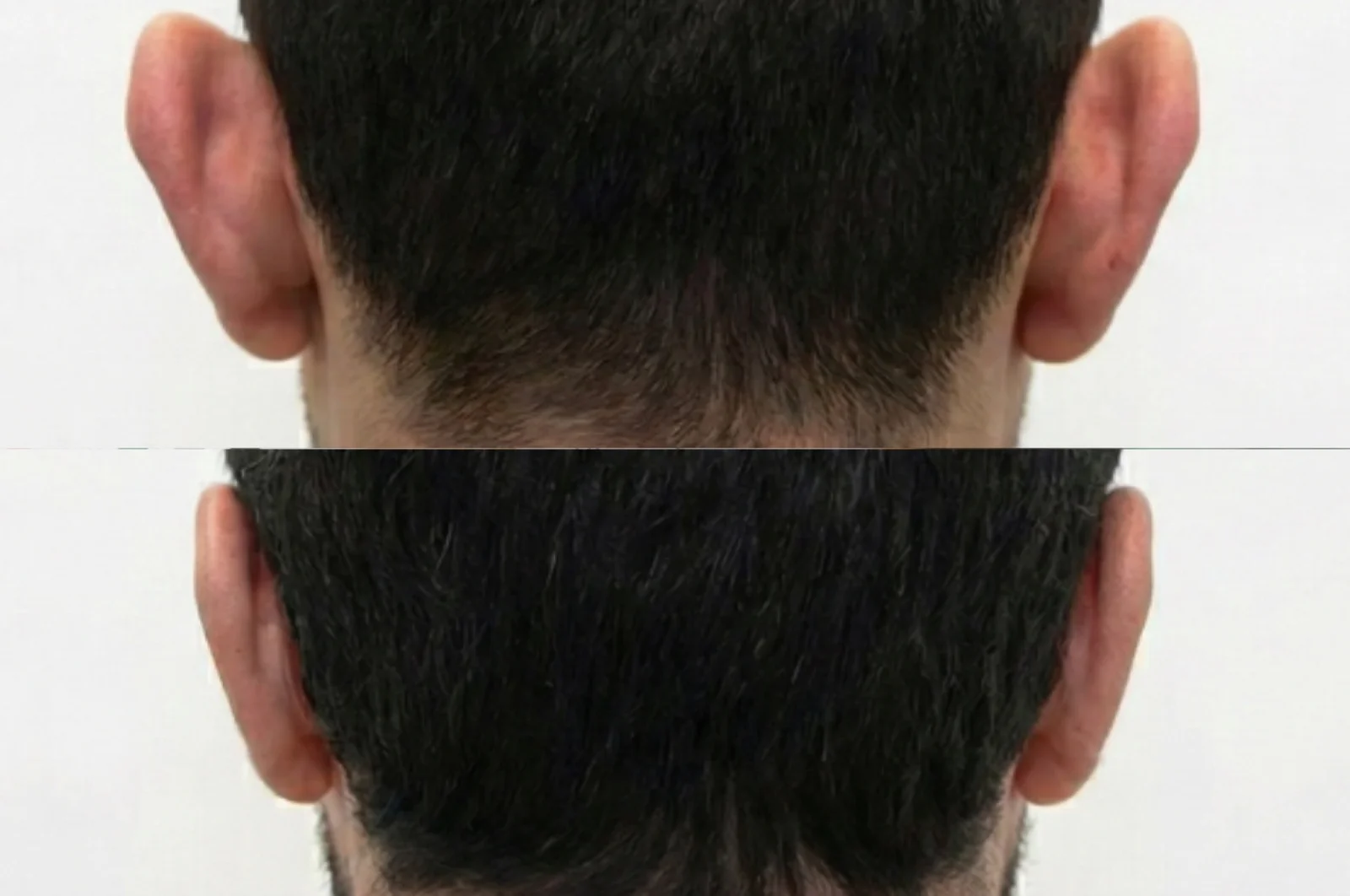
The results are visible immediately, although initially, there will be swelling. Otoplasty has a satisfaction rate close to 98%, making it one of the most psychologically transformative surgeries.
The postoperative period is easily tolerable:
Days 1-3
The compressive bandage is worn. There may be a feeling of tightness or throbbing, controllable with common painkillers (Paracetamol/Ibuprofen).
Days 3-4
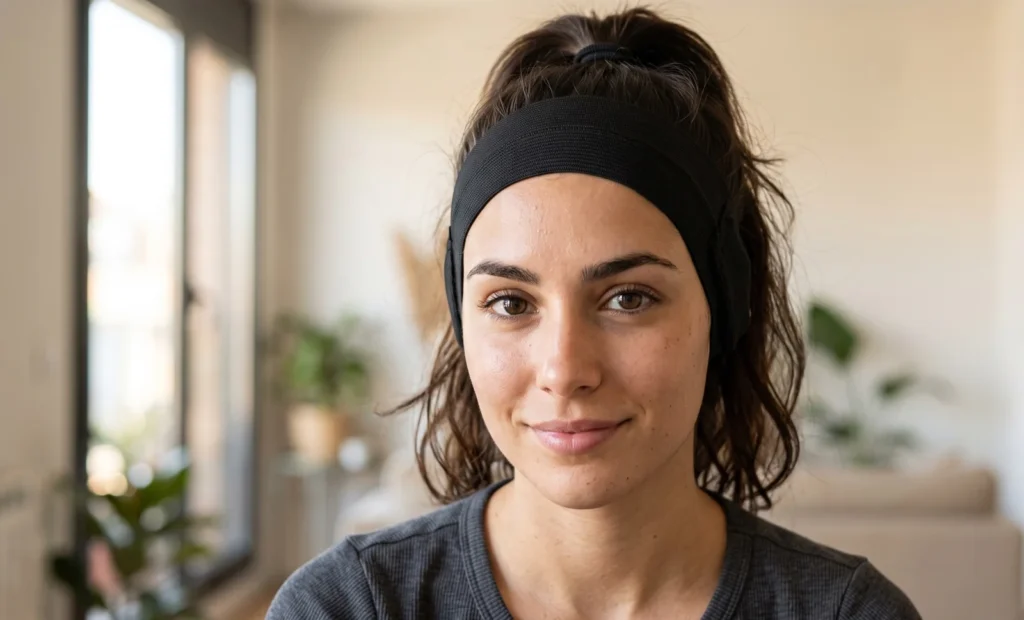
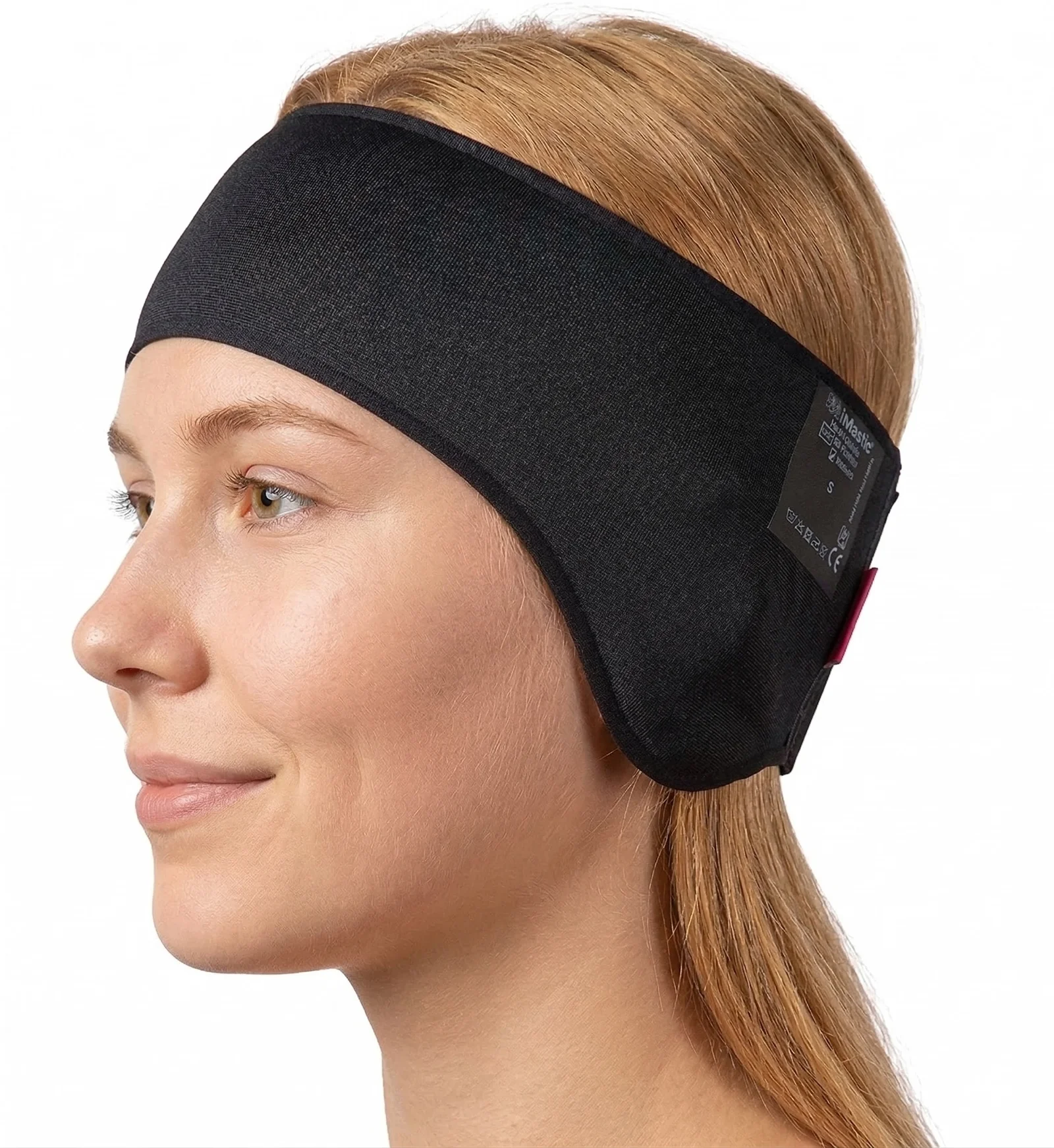
The bandage is removed at the clinic and replaced by an elastic headband (which we provide at the clinic). This must be worn 24 hours a day during the first week, and then only to sleep for a month.
Week 2
Return to normal social and work life. The swelling has subsided.
Months 3-6
Definitive result. The cartilage has stabilized in its new position.
Why Choose Alsaga Plastic Surgery in Valencia
The best otoplasty specialist in Valencia must combine medical authority, clinical experience, and demonstrable results. Dr. Alberto Sánchez García and the team at Alsaga Plastic Surgery stand out on the national scene for:
- Super-specialization in aesthetic plastic surgery: A deep understanding of anatomy ensures results that do not look operated on (avoiding the stigma of the overly pinned ear).
- Premium facilities in Valencia: We always perform the intervention in certified operating rooms with the highest European safety standards.
- Preservation techniques: Minimally invasive approaches that respect the structural integrity of the cartilage, ensuring the ear maintains its flexibility and natural feel in the long term.
- Comprehensive support: From the first consultation at our center in Valencia to the final discharge a year after the intervention.
Patients from Alicante, Castellón, Cuenca, Madrid, and the rest of Spain—as well as English-speaking expats and medical tourists—come to our clinic for the guarantee of medical excellence represented by the Alsaga seal.
Frequently Asked Questions (FAQ) about Otoplasty in Valencia
Answered by Dr. Alberto Sánchez García, your plastic surgeon in Valencia.
Below we answer the most common doubts that patients ask us (in person and by video consultation) before undergoing ear surgery in Valencia.
Does otoplasty hurt?
Not during the intervention thanks to local anaesthesia. In the postoperative period, you will feel discomfort, tightness, and mild throbbing pain for the first 2-3 days, which is perfectly controlled with prescribed medication.
What type of anaesthesia do you usually use when performing an otoplasty in Valencia?
In adults and adolescents, local anaesthesia with or without sedation. In young children (under 8-10 years old), mild general anaesthesia is preferred to ensure they do not move and do not have a traumatic memory.
How long does the otoplasty operation take?
Depending on the complexity, between 1 and 2 hours in total.
Do I need to be admitted to the hospital if I get an otoplasty in Valencia with you?
No, it is an outpatient surgery. After a brief clinical recovery time, you go home the same day.
What is better: traditional scalpel or laser?
In otoplasty, the skin cut is not the determining factor, but rather the management of the cartilage. The traditional scalpel and the cutting laser are equivalent tools. We can offer you both and present the pros and cons.
Are there lifting threads for ears without surgery?
There are minimally invasive techniques (like Earfold or threads), but their indications are very limited (they only work if the problem is purely the antihelix). They also have a higher rate of extrusion (the thread can be felt under the skin) or relapse than the classic otoplasty we perform in Valencia.
Can just one ear be operated on?
Yes, if there is a clear asymmetry where one ear is normal and the other is prominent. However, the plastic surgeon generally recommends slightly retouching the "normal" one to ensure greater symmetry.
At what age is it recommended to operate on children?
From 6-7 years old, when ear development is almost complete.
Where do you leave the scar if I get an otoplasty in Valencia?
Right in the back fold of the ear (postauricular sulcus). It is invisible from any frontal or lateral angle.
Will people notice that I have had surgery?
Dr. Sánchez García's goal is naturalness. Ears that are too pinned to the head are not aesthetic. We look for a natural angle of separation (about 15-20 degrees).
Can the ears stick out again over time?
Modern permanent fixation techniques (Mustardé/Furnas/hybrid) make the result definitive. The relapse rate (the cartilage returning to its original position) is less than 2%, and it is usually due to a strong trauma in the first month.
Will my hearing change?
Not at all. The surgery acts exclusively on the outer auricle; the ear canal and middle/inner ear are not touched.
When will I see the final result if I get an Otoplasty in Valencia?
When the bandage is removed (day 3-4) you will already see a radical change, but they will be swollen. The almost definitive result is seen at one month, and the cartilage stabilizes 100% at 6 months.
Is it normal for them to be bruised or red?
Yes, mild bruising and congestion are normal for the first 1-2 weeks and gradually disappear.
Will the ears be exactly symmetrical?
The most honest answer: the goal is excellent visual symmetry, but no surgeon can guarantee exact millimetric symmetry in all cases, as the bases of implantation on the skull are usually different on each side.
How long should I wear the headband if I get ear surgery in Valencia?
Normally 24 hours a day for the first week (after removing the thick bandage), and then only to sleep for another 3 to 4 weeks.
What is the headband for?
To prevent the ear from folding forward while sleeping or making sudden movements, which could cause the internal stitches to snap before the cartilage has healed in its new position.
How should I sleep?
Mandatorily on your back during the first 3-4 weeks. Sleeping on your side applies direct pressure on the recently operated ear, causing pain and potentially altering the result.
When can I shower and wash my hair?
Once the surgical bandage is removed (day 3 or 4), you can shower. You should wash the scars gently with water and mild soap, and dry them very well with cold air or gentle dabbing.
When are the stitches removed?
If non-absorbable stitches are used on the skin, they are removed between 10 and 14 days. We frequently use absorbable stitches that fall out on their own in 2-3 weeks.
When can I exercise after an Otoplasty in Valencia?
Light sports (walking) from the first week. Cardio (running, cycling) at 3 weeks. Contact sports (soccer, martial arts, basketball) should be avoided for at least 6-8 weeks to prevent blows.
When can I swim in a pool or the sea?
At least 4 weeks later, provided the wounds are 100% closed, to avoid bacterial infections.
When can I wear glasses again if I have ear surgery in Valencia?
The arms of the glasses rest right on the incision. We recommend using contact lenses during the first 2-3 weeks. If you absolutely must wear glasses, we will teach you how to place a small protective gauze.
When will I be able to use headphones?
Large over-ear headphones that do not touch the ear can be used after 2 weeks. Avoid earbuds or headphones that exert direct pressure on the cartilage for 4 weeks.
Can I dye my hair before or after?
We recommend dyeing it a few days before the surgery. After the intervention, you should wait at least 4 weeks so that the dye chemicals do not irritate the recent scar.
Is it normal for the ears to feel "stiff" or numb?
Totally. Temporary alteration of skin sensation in the ear is common and can take 2 to 6 months to recover completely.
What happens if I accidentally bump my ear after my otoplasty in Valencia?
A slight brush is not a problem. A strong direct blow during the first 3 weeks could break an internal suture. If it happens and you notice the ear separating or bleeding, come in for an immediate check-up.
When can I return to work or school?
For office jobs or school, 5 to 7 days is usually sufficient. If your work requires physical effort or a protective helmet, you will need 2 to 3 weeks.
What are the risks of otoplasty?
As with any surgery: bleeding (hematoma), infection, asymmetry, hypertrophic/keloid scarring, or altered sensitivity. In the hands of a qualified plastic surgeon like Dr. Sánchez García, the complication rate is minimal.
What is an auricular hematoma?
It is a collection of blood between the cartilage and the skin. It is detected by intense, asymmetrical pain in one ear. It requires early drainage in the clinic to prevent damage to the cartilage.
Do otoplasty scars form keloids?
The region behind the ear has a certain tendency to scar thickly in genetically predisposed people. If it occurs, it is treated with local corticosteroid injections.
What happens if the body rejects the internal stitches?
Mustardé threads are made of biocompatible material. Rarely (less than 1%), a stitch can be felt under the skin, extrude (poke through), or become infected long-term (granuloma). If this happens, that stitch is simply removed in the clinic.
What is "telephone ear"?
It is a consequence of a poorly executed technique, where the central part of the ear is pinned very closely to the skull, but the upper and lower poles remain protruding, giving the appearance of an old telephone receiver. Careful design at Alsaga prevents this.
I have stretched earlobes (gauges), can they be operated on at the same time?
Yes. Lobuloplasty to repair dilated or torn earlobes can be performed in the same surgical intervention as the otoplasty.
My ears do not stick out, but the earlobe is very large. Is there a solution?
Yes, an earlobe reduction is performed. It is a very simple intervention, taking about 30 minutes under local anesthesia, which greatly rejuvenates the face.
Can it be done in the summer?
Yes, otoplasty has no seasonality. Since the scars are hidden behind the ear, the risk of pigmentation from the sun is almost zero, provided you wear the initial protective headband and avoid prolonged swimming.
I already had surgery as a child and the result was not good (I want a secondary otoplasty in Valencia). Can I have surgery again?
Yes. Secondary otoplasties are more complex due to previous scar tissue, but Dr. Sánchez García is an expert in this type of facial surgery.
Can pregnant or breastfeeding women have surgery?
Elective surgeries are not recommended during pregnancy. During breastfeeding, it can be evaluated using local anesthesia, ruling out medication that is excreted in breast milk, although it is ideal to wait.
How much does an otoplasty cost in Valencia?
The price of otoplasty in Valencia is determined by the complexity of the ear reshaping and the type of anesthesia used. Opting for general anesthesia entails additional costs associated with the hospital setting where the procedure takes place. Estimated prices range from €2,500 to €5,200.
Do you offer financing at Alsaga Plastic Surgery?
Yes, we have partner institutions that allow financing the treatment in comfortable installments (up to 48 or 60 months), so that the financial decision is not an obstacle to improving your quality of life.
Why choose Dr. Alberto Sánchez García and Alsaga Plastic Surgery in Valencia?
Choosing the right professional is the most important success factor. Dr. Alberto Sánchez García combines impeccable anatomical training as a reconstructive and aesthetic plastic surgeon with an artistic sense focused on naturalness. At Alsaga, we do not franchise health: the same top-level surgeon accompanies you from the first consultation, through the operating room, and up to final discharge, with certified operating rooms and first-rate European safety protocols. We primarily serve patients from Valencia, Alicante, Castellón, Teruel, Cuenca, and Albacete.
The medical information contained in this article is for guidance purposes and does not, under any circumstances, replace a face-to-face consultation with our plastic surgeon. Request an appointment and let’s talk.